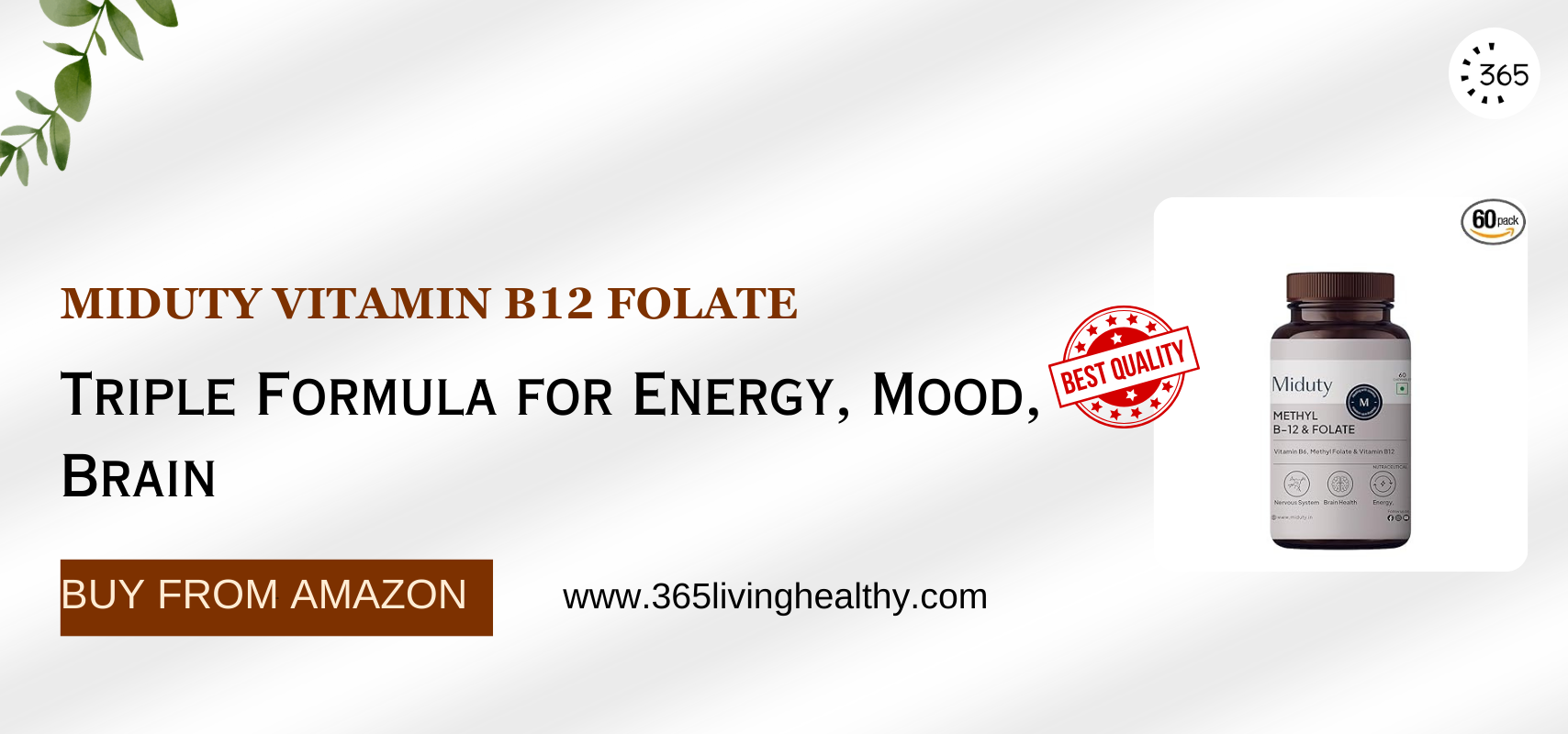

The body comes with its own set of warning signs such as fatigue, brain fog, and mood swings that a person might blame on stress or just getting older. These symptoms together become clear as one of vitamin B12 deficiency.
This deficiency is slow to develop. It is often misdiagnosed. It’s the type of stress that, if not treated, can sap your energy, affect your mood, and affect your nervous system. It is easily manageable on its detection.
Knowledge about the causes of B12 deficiency, its symptoms, and remedies can intervene to avoid health complications in the long run.
The Warning Signs of B12 Deficiency
- Extreme fatigue: When B12 is low, your red blood cells are not formed correctly and this leaves your body without oxygen, hence you might be too tired to the point of settling in bed to get sleep.
- Mental Changes: One forgotten aspect of low B12 levels is the confusion that can occur. Developing concentration problems can also occur in the brain.
These symptoms can seem normal with aging or like dementia. B12 contributes to nerve and brain health. A low state can cause a spaced out or foggy feeling.
- Nerve problems: Problems with nerves, such as tingling in the extremities, difficulty walking, and numbness, are often caused by a B12 deficiency due to its damage to the myelin sheath that surrounds and protects the nerves.
In response, the nerves may fire at inappropriate times, resulting from the pins and needles and balance problems.
- Physical signs: Include the swelling of the throat, pallor, jaundice, and shortness of breath, when the body does not make enough healthy red blood cells. Slightly increased irritability and or mild depression as well as low B12 levels may accompany these common signs of the disease.
Why Your B12 Levels Drop
1. Dietary Insufficiency
Plant sources known as the source of vitamin B12 among the vegetarians and vegans do not exist and thus, the risk of deficiency is high.
The fortifier foods have a broader selection due to their requirements of supplementation and non-vegetarians might not consume sufficient protein-rich foods.
2. Absorption Problems
Intrinsic factor is a protein the stomach secretes. This protein is necessary for absorption of B12 from food. In pernicious anemia, the immune system of the body destroys the intrinsic factor secrecy cell.
B12 absorption may be impacted by other stomach or intestinal diseases such as Crohn’s disease, celiac disease, other gastrointestinal diseases or even gastric bypass surgery.
3. Medication Interference
The absorption of these drugs may be reduced in extent.
Metformin (for diabetes): Proton pump inhibitors against acid reflux.
H2 blockers (for heartburn): It require periodic B12 level checks with extended use.
The Best B12 Sources
Understanding vitamin B12 sources is key to restoring and maintaining healthy levels.
1. Animal-Based Foods
Animal foods provide B12 in its most bioavailable form and are considered the best sources of vitamin B12 for most people.
- Beef liver has the highest concentrations within.
- Salmon, tuna, trout, sardines and clams are good sources for fish and seafood.
- Beef, chicken, turkey, and pork are meat and poultry within normal amounts.
- Milk, cheese, yogurt, and eggs provide some B12 within a vegetarian diet.
Enough can come from foods with normal absorption.
2. Fortified Plant-Based Options
Fortified products exist specifically for vegans or those largely plant-based.
- Breakfast cereals typically have the entire Recommended Dietary Intake of vitamin B12.
- Nutritional yeast has a savory cheese-like flavor to it. It is fortified by vitamin B12.
- Some soy milk, some almond milk, and some oat milk have B12 added. Check labels for specifics.
3. B12 Supplements
Supplements fill dietary deficiencies.
- Oral tablets or capsules
- Tablets held under the tongue dissolve for absorption that is quick.
- Gummies or sprays
B12 may be given intramuscularly in the event that absorption of B12 does not seem to be working or if the deficiency is perceived to be gross.
Frequently Asked Questions
1. How long does it take to recover?
Most people improve within a few weeks and are near a full recovery. Recovery can take months or longer, especially the recovery of nerve-related symptoms.
- Can you take too much B12?
B12 is soluble in water, therefore, overdose is not a high danger and any overflow is eliminated through the urine but an individual should follow the recommendation of the doctor.
- Do I need a prescription?
Prescription-free supplements are usually used to address a minor deficiency. In case bodies take in less or are more seriously deficient, prescribe their use oral supplements of the prescription strength or inject them.
- Will B12 give me more energy if I’m not deficient?
No, B12 is not a stimulant, although it can help normalize energy levels in people who are deficient.
- How often should I test my B12 levels?
If you are at higher than normal risk due to factors such as age, diet, drugs, or digestive disorders, annual screening may be warranted.
Restoring and Maintaining Your B12 Health
B12 deficiency can be easily ameliorated despite its ability to cause debilitating fatigue, weakness, and neurological symptoms. Start by testing your levels if you think you’re deficient.
- Are over 50
- A vegan diet or a vegetarian diet may be followed.
- People on long-term medications for diabetes or acid reflux
- Lives with digestive conditions that obstruct absorption
Step 1: Adjust Your Diet
In case you consume animal products, then you should consume the B12-rich foods more among the selection. Eating fortified foods every day should be practiced by the plant-based people.
Step 2: Supplement Wisely
In case dietary interventions are not producing the desired results, your physician might prescribe B12 pills to you. Sublingual pills and shots are the most effective in individuals with poor absorption of the drug.
Step 3: Monitor and Maintain
When the levels are normal, individuals require to sustain them by a balanced diet or low dosage supplementation since individuals require B12 throughout their lives.
The Bottom Line
Vitamin B12 is surprisingly deficient, and you can become fatigued and lack concentration so gradually that you may not realize that you are deficient until daily life and overall health start to suffer.
The positive side is that it is completely reversible provided that an individual detects it in time. A couple of weeks later you will be feeling energetic and having a clear mind should you eat better or take supplements.
Listen to your body. Tingle, I am tired, forget it a little in the body, saying, Hello, I want a little assistance, here.” Feed B12 to the body, and watch the brain, the nerves, energy level, and everything else come back to life in a way you deserve.